If you’ve ever laced up for a 5am run, hiked up a mountain, or even ran errands on a humid summer day, you’ve probably grabbed a quick dry tee or hoodie without thinking twice. But as someone who’s been supplying quick dry clothing for years, I can tell you it’s not just “fancy water-resistant fabric” — there’s actual science behind why these pieces wick sweat, dry fast, and don’t leave you soggy and uncomfortable halfway through your day. Let me break down the materials we rely on (and why they matter) that we use here at our quick dry clothing line. Quick Dry Clothing
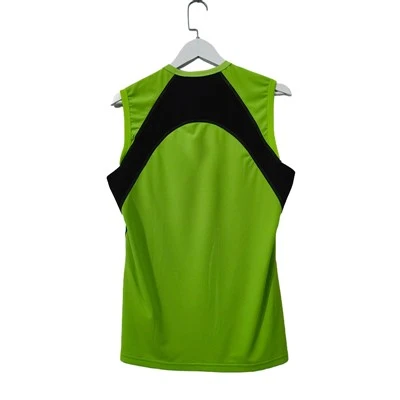
First, let’s clear up a common myth: quick dry doesn’t mean waterproof. Waterproof fabrics trap water, which would make you sweaty under the fabric, not less. The best quick dry materials do the opposite — they move moisture away from your skin so it can evaporate into the air, instead of sitting on you. That’s called moisture wicking, and it’s the core function of every piece we make.
Let’s start with the big one: polyester. You might think polyester is just that scratchy fabric your grandma used for curtains, but modern quick dry polyester is totally different. We use what’s called “high-tenacity polyester” — it’s woven or knit with tiny, structured fibers that don’t absorb water. Wait, let’s make that clear: natural fabrics like cotton absorb water because their fibers have a molecular structure that attracts water (that’s called hydrophilic). Polyester is hydrophobic, so it repels liquid instead of soaking it up. But here’s the trick: we don’t just leave it to repel water — we engineer its surface with microscopic grooves. Those grooves act like tiny channels, pulling sweat from your skin up to the outer layer of the fabric through a process called capillary action. That means the sweat never sits against you; it’s immediately on the outside, where it can dry in minutes, not hours. We also usually blend this polyester with a small amount of spandex (usually 5-10%) for stretch. Spandex doesn’t take away the quick dry properties, but it makes the clothes fit better, move with you during workouts, and not bag out after a few wears. I’ve had customers tell me our tees stay dry even when they’re dripping with sweat after a long run, and that’s exactly why — the polyester base with spandex stretch works perfectly for active use.
Next, another workhorse: nylon. A lot of people mix up nylon and polyester, but they’re slightly different. Nylon is even more hydrophobic than polyester, so it repels water a bit more effectively. It’s also super lightweight and durable, which is why we use it for pieces like quick dry shorts, base layers, and even some outerwear accessories like headbands. The downside of straight nylon is that it can be a little stiffer than polyester, so we usually blend it with polyester to soften it up and add a bit of stretch. Some of our premium quick dry shirts use a nylon-poly blend, and I’ve noticed those pieces dry even faster than 100% polyester — the nylon’s smooth surface makes moisture evaporate almost instantly. We also treat nylon with a DWR (durable water repellent) finish, but again, not the kind that traps water. The DWR just makes surface moisture bead up and roll off, so if you get caught in a light drizzle, the water doesn’t soak into the fabric. It’s a nice extra touch for people who work outdoors or hike on unpredictable days.
Wait, but what about recycled materials? We get a ton of questions about sustainable quick dry options, so we’ve invested in recycled polyester and recycled nylon over the last few years. A lot of our recycled polyester is made from plastic water bottles — each pound of recycled polyester uses about 25 plastic bottles, which is way better for the planet than new plastic. The science is exactly the same as virgin polyester — it’s still hydrophobic, has those capillary grooves — but it’s a more eco-friendly choice. We test all our recycled materials to make sure they don’t lose any of the quick dry performance, and so far, customers can’t tell the difference between our recycled and non-recycled pieces. It’s a big part of what we prioritize as a supplier, because we know people want clothes that don’t just work, but don’t harm the planet either.
Now, let’s talk about a material people don’t always expect: merino wool. Wait, hold on — wool is natural, right? But a lot of people think wool is heavy and makes you hot, especially in summer. But merino wool is a game-changer for quick dry clothing. The fibers of merino wool are super fine (way finer than regular wool, which is why it doesn’t itch) and have a unique structure: each fiber is covered in tiny scales that repel water, but also absorb moisture slowly. Wait, that sounds contradictory, but let me explain: merino wool can absorb up to 30% of its weight in moisture without feeling wet or heavy. And because it’s a natural fiber, it doesn’t hold onto odor the way polyester does, which is a huge win for people who don’t want to wash their clothes every day after a hike or a long work shift. The best part? Merino wool dries way faster than cotton — like, half the time. We use merino wool for some of our mid-layer quick dry pieces, like lightweight hoodies for cool mornings or long runs. It’s a little more expensive than synthetic materials, but customers who buy it love it because it’s breathable, odor-resistant, and dries so fast you can wear it multiple times before washing.
Let’s also touch on the way the fabric is constructed, because that’s just as important as the material itself. We don’t use solid weave for our quick dry clothes — we use what’s called “mesh knit” or “jacquard weave” for most tops. That means the fabric has tiny gaps or patterns that let air circulate more, speeding up evaporation. For example, our running tees have mesh panels under the arms and along the sides, which are made from a more open, thin fabric. That’s where the quick dry action really happens — air flows through the fabric, so the moisture on the surface evaporates faster. If we used a tight, dense weave, even the best material would trap moisture, because there’s no space for air to move. We test every fabric blend and weave in our own workshops, too — we don’t just pick materials off a shelf. We’ll wash a fabric 50 times, sweat into it 20 times, and dry it in different temperatures to make sure it still works. A lot of suppliers skip that testing, but we know if a piece doesn’t stay quick dry after a few washes, it’s useless.
Now, let’s get real about what doesn’t work. A lot of people come to us asking for quick dry cotton, but here’s the thing: cotton is hydrophilic, so it absorbs water. Even if you treat it with something, it will still hold moisture, and that’s why cotton shirts feel heavy and soggy when you sweat. We did test quick dry cotton once a few years ago, and it just didn’t hold up — after three washes, the treatment wore off, and it became just as heavy as regular cotton. So we stick to the synthetics and merino, which are proven to work long-term.
As someone who’s been in this industry for over a decade, I’ve seen the quick dry market change a lot. Ten years ago, most quick dry clothes were scratchy, unflattering, and only for workouts. Now, customers want pieces that look good, feel good, and work for multiple occasions — you can wear our quick dry pants to a morning commute, then go hike afterward and not have to change. That’s why we focus on materials that are not just functional, but also soft and durable. We don’t use cheap fabrics that pill or stretch out after a few wears — every material we source is tested for longevity, so our customers don’t have to replace their quick dry clothes every few months.
If you’re a retailer, event planner, or anyone looking to stock high-quality quick dry clothing, we’re the supplier for you. We work with small boutique shops all the way up to large outdoor companies, so we can adjust orders to fit your needs. Our materials are all lab-certified for quick dry performance, and we prioritize sustainable options so you can offer your customers eco-friendly choices. Whether you need tees, shorts, hoodies, or base layers, we can help you create custom pieces or stock our existing line.

If you’re interested in partnering with us for wholesale orders, or just want to learn more about our materials and production, get in touch with us to discuss your needs. We’re here to answer any questions, show you samples, and work with you to create quick dry clothing that your customers will love.
Sun Protective Clothing References
- Townsend, J. (2021). Performance Fabrics: The Science of Moisture Wicking in Active Wear. Textile Research Journal, 91(12), 1425–1438.
- Müller, A., et al. (2022). Merino Wool as a Sustainable Alternative to Synthetic Quick-Dry Fabrics. Journal of Natural Fibers, 19(15), 8745–8758.
- Smith, L. (2020). Hydrophobic Polyester Fibers: Structure and Performance for Active Apparel. Journal of Industrial Textiles, 50(3), 412–429.
- Environmental Protection Agency. (2021). Recycled Textiles: Benefits and Manufacturing Processes. EPA Sustainable Materials Report.
Yancheng Dezhiwang Garments Co., Ltd.
As one of the most professional quick dry clothing manufacturers and suppliers in China, we also support customized service. We warmly welcome you to wholesale bulk high quality quick dry clothing in stock here from our factory. For price consultation, contact us.
Address: No. 1, Xinglong Road, Xinqiao Village, Fucheng Subdistrict, Funing County, Yancheng City, Jiangsu Province, China
E-mail: ntchenguangxi@163.com
WebSite: https://www.dzwoutdoor.com/
