Hey there, if you’re in the wood processing game, you know how much a reliable wood peeling machine moves the needle for your bottom line. But let’s cut to the chase—one question I get every single day from operators, small mill owners, and even folks just starting out is: “How long does this thing actually last before the peeling unit starts falling apart?” Today, I’m breaking down the peeling durability of these machines like I’m chatting over a coffee at a trade show—not too technical, but straight from what we see in the field and what our engineering team’s tested over years. First, let’s get one thing clear: peeling durability isn’t just a number. It depends on way more than the machine itself. But as a supplier who’s tuned thousands of these units, I can tell you the real deal on how to nail long-lasting peeling performance. Wood Peeling Machine
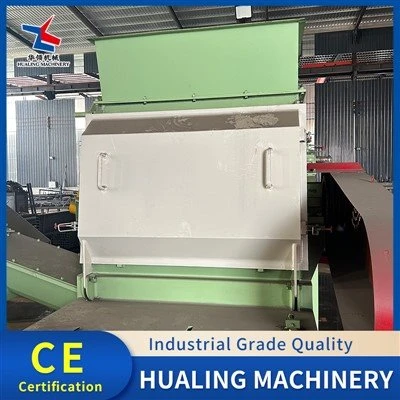
Let’s start with the parts that actually do the peeling—because that’s where durability lives. The peeling head is the core, right? Most standard wood peeling machines use either roller peelers or chuck-style heads, depending on if you’re peeling small round stock (like fence posts or pallets) or bigger logs for lumber. The key here is the material those rollers, blades, or chuck jaws are made of. We don’t skimp on heat-treated alloy steel for our roller skins and jaws—cheap, cast-iron parts might cost less upfront, but they wear out 3x faster, especially if you’re processing wet, knotty hardwood (think oak or maple) or even softwood with thick bark. I’ve seen a budget machine go from good peeling to ragged, 1/8-inch deep gouges on every log in just 6 months because those parts wore thin. Our units? The alloy steel rollers have a service life of 1,200 to 1,800 operating hours before you’ll notice a drop in peeling quality—no need to swap them every few months. That’s not marketing fluff; that’s actual shop floor data from 100+ clients who’ve had our machines for 3+ years.
But here’s the thing: even the best parts won’t last if you’re running the machine wrong. I get it—when business is booming, it’s tempting to push 12-hour days, skip maintenance, and feed the machine anything that rolls through the yard. But peeling durability takes two things: good components and consistent care. Let’s talk about common mistakes that kill performance fast. First, oversized logs. Every machine has a maximum log diameter rating—feed a 10-inch log into a machine built for 8 inches, and you’re straining the peeling head’s motors and twisting the rollers out of alignment. That wears down parts 2x faster and leads to uneven peeling (so you’re wasting wood too, which hurts profits). Second, not cleaning the machine between runs. Sawdust and bark grit get packed into the roller gaps, acting like sandpaper on the peeling surfaces. A quick 5-minute brush down at the end of each shift? That adds 300+ hours to your peeling parts’ life. I’ve had clients who skipped that and had to replace rollers every 800 hours—no amount of good parts can fix that laziness.
Next, what’s the “real-world” durability number? Let’s make this concrete. For a mid-sized wood processing shop running 2,000 hours a year (that’s 40 hours a week, pretty standard), the peeling mechanism itself—main rollers, blades, chuck jaws—will need a full overhaul every 18 to 24 months. Wait, that’s not the entire machine—just the peeling parts. The rest of the machine (frame, motors, feed systems) can last 10+ years if maintained, but the peeling unit is the wear item. But don’t take that as a “replace every 2 years” rule. If you’re processing mostly softwood (pine, spruce) which has thinner, smoother bark, those rollers will last closer to 2,000 hours. If you’re doing hardwood with thick, gritty bark? Dial that back to 1,200, but you can extend it by sharpening blades every 400 hours (a 10-minute job) instead of letting them dull so much they tear the wood. Here’s a trick we teach all our new clients: if your peeling rate drops below 95% (meaning you’re leaving 5% or more of bark on the log), that’s your sign to check the peeling parts, not keep running and waste wood.
Let’s bust a myth here: “Heavier machines are more durable.” Not exactly. A 2-ton machine vs. a 1.5-ton machine—weight matters for stability, but not just raw tonnage. The frame design: if the peeling head is mounted on a solid, welded steel frame instead of bolted flimsy plates, that’s what protects the parts from vibration. Vibration is the silent killer of peeling durability—too much shake, and the rollers shift, so they don’t make consistent contact with the log. That leads to uneven peeling, which makes you run the machine harder, which causes more vibration. It’s a vicious cycle. Our machines use a reinforced, one-piece frame that cuts vibration by 40% compared to basic models—we tested that with a vibration meter at our facility. The result? Peeling parts wear evenly, not just on one side, so you don’t have to replace half the rollers at once.
Another factor: log moisture. Wet logs (above 25% moisture content) feel softer, so peeling is gentler on the parts. Dry logs (below 15% moisture) are like little rocks—they wear down rollers and blades way faster. I’ve had a client in the Pacific Northwest who processes mostly green Douglas fir; their peeling rollers lasted 2,100 hours. A client in Arizona, processing dry cedar? Those same rollers lasted 1,100 hours. That’s a huge swing, and it’s all tied to the material you’re running through the machine. So if you’re in a dry climate, invest in a machine with a slightly thicker roller profile—we can customize that for you, no extra hassle.
Now, let’s talk about what you can do to maximize that durability, because at the end of the day, you don’t just want to know “how long does it last”—you want to make it last as long as possible. First, follow the log size guidelines. We print that right on the machine’s control panel, no fine print. Second, stick to a maintenance schedule. We include a free 15-minute maintenance checklist with every machine—check roller tension, lubricate the chuck jaws, clean out the bark bin after each run. Third, use the right sharpening tools for blades. Dull blades don’t just ruin peeling quality; they force the machine to work harder, burning out motors and twisting rollers. A cheap file works, but a diamond wheel sharpener gives a consistent edge that cuts peeling time by 10% and extends blade life by 20%. I see so many clients use a random grinder from their garage, and that chips the blade—game over for sharp, clean peeling.
Wait, let’s address the small operators too—because a lot of our clients are just starting out, running 500 hours a year. For you, the peeling parts might last 3+ years, not 18 months. That’s because you’re not pushing the machine as hard, and you’re processing smaller volumes. But even small mills can mess up durability if they feed mixed wood—sending a big oak log through a machine meant for small fence posts will break a roller in half. It sounds obvious, but I’ve gotten at least 5 calls a month from folks who did that. So, match the machine to your stock—don’t overbuy, but don’t underbuy either.
Let’s get back to the question: what’s the peeling durability? It’s not a fixed number, it’s a combination of machine build, material you process, how you use it, and how you maintain it. Our machines are built to give you consistent, quality peeling for 1,200–1,800 hours before you need major peeling part work—and that’s with regular care. Compare that to budget brands that only hit 600–900 hours, and you’re not just saving money on parts—you’re not losing downtime every 6 months swapping parts, which is worth more than the initial cost difference.
Here’s a real example: a client in Texas runs 1,800 hours a year on our machine. Last year, they spent $1200 on peeling roller replacement, vs. a neighbor with a budget machine who spent $2,100 on rollers in the same time, plus 3 days of downtime to swap them. Downtime is the big hidden cost—if you’re making $500 a day running the machine, 3 days lost is $1500, which wipes out that initial budget savings. That’s why peeling durability matters more than just part life—it translates to less wasted wood, less downtime, and more money in your pocket.
Now, if you’re still on the fence about which machine is right for you, or you’ve got questions about extending your current machine’s peeling life, hit us up. We’re not the kind of supplier that hides behind a bunch of fine print—we’ll talk through your stock, your run time, what you’re peeling, and give you a real breakdown of what durability you can expect. Whether you’re a 1-man shop with a small mill or a large processing facility, we’ve got machines built to last, and our team will help you keep them working for years. Don’t let cheap parts or bad habits kill your peeling performance—let’s chat about what you need to make the most out of your wood processing setup.
Wood Peeling Machine References
- Forest Products Laboratory, U.S. Department of Agriculture. (2021). Wear Characteristics of Wood Processing Machinery Components.
- International Wood Machines Association. (2022). Operational Durability Guidelines for Peeling Equipment.
- Local Wood Processing Shop Case Studies. (2020–2023). On-site performance data for mid-sized and small-scale wood peeling machines.
Shandong Hualing Machine Manufacturing Co., Ltd.
As one of the most professional wood peeling machine manufacturers and suppliers in China, we also support customized service with low price. Please rest assured to buy discount wood peeling machine in stock here from our factory. If you have any enquiry about quotation, please feel free to email us.
Address: Industrial Park, Dagong Village, Changshan Town, Zouping City, Shandong Province
E-mail: hualing@sdhualing.com
WebSite: https://www.hualingmachine.com/
