If you’ve ever struggled with a sad, wilted salad that turned to mush on your commute, in your work bag, or on a day trip, you’re not alone. As someone who’s spent the last decade designing, testing, and supplying insulated bags for everyday use, the question I hear most often is this: Can an insulated bag actually be used for carrying salads? It’s not just a casual question—this small, seemingly mundane item touches on food safety, waste reduction, and how small daily swaps can add up to big changes. Let’s break this down, not as a textbook exercise, but as someone who’s sat in food safety workshops, tested prototypes in my own kitchen, and listened to hundreds of customers ask the same thing. Insulated Bag
First, let’s talk about why salads go bad so quickly when they’re not stored right. I don’t need to get too sciency, but here’s the core truth: most fresh salad ingredients—leafy greens, raw vegetables, grilled chicken or chickpeas, crumbled cheese, even fruit—are what the USDA calls “perishable foods” that fall into the 40°F to 140°F temperature danger zone. That’s the sweet spot for bacteria like E. coli and Salmonella to multiply exponentially, doubling every 20 minutes. If your salad sits in your car on a 85°F summer afternoon for an hour and a half, that’s enough time to go from perfectly fresh to unsafe to eat. Before insulated bags became a go-to for my customers, I’d hear stories of people grabbing a grocery bag or their work tote, tossing a pre-made salad inside, and finding it brown and slimy by lunch—wasting $8 or $10 on food they can’t eat, and that’s just one incident.
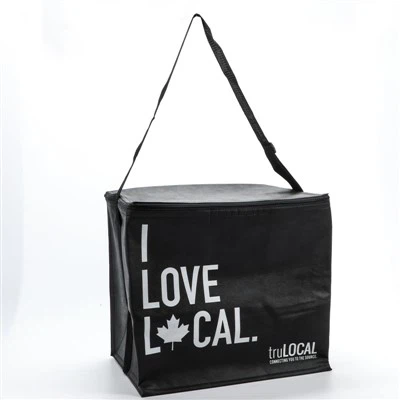
Now, how do insulated bags work, exactly? A lot of people think they’re just lined with bubble wrap or something, but the science is a bit more deliberate. The best insulated bags we supply have three key layers: an outer durable fabric (usually polyester or nylon, designed to block sunlight and wind), a middle insulating layer (often closed-cell foam, which traps air—air is one of the best natural insulators because it doesn’t conduct heat easily), and an inner food-safe lining (usually PEVA or a BPA-free plastic that’s easy to wipe clean and doesn’t leach chemicals). The job of these layers isn’t to make things cold or hot forever—it’s to slow down the transfer of heat. So if you put a cold salad in an insulated bag, it will stay cold longer than if it were just sitting on a counter. If you put a warm soup in, it will stay warm longer, too.
But here’s the part that trips a lot of people up: insulated bags aren’t magic. I’ve seen customers expect their salad to stay ice cold for 12 hours in 90°F heat, and get frustrated when it’s not. That’s not a flaw in the bag—that’s a misunderstanding of how insulation works. I always tell people: think of an insulated bag like a thermostat, not a fridge. It doesn’t lower the temperature on its own, it preserves the temperature you start with. So to use an insulated bag for salads correctly, you have to start with the right prep work.
Let’s walk through a real-world example, something I tested in my own home last summer to answer this exact question. I made two identical salads: one in a regular plastic takeout container, the other in a glass storage container I keep specifically for my salad prep. I put a wet paper towel under the greens to keep them crisp, added cherry tomatoes, grilled chicken, feta, and a side of vinaigrette (packed separately, by the way—another key tip). I put both containers in the same tote bag, and left it in my car for 3 hours on a 88°F day. When I opened them, the takeout salad had brown edges on the lettuce, the chicken had a slightly off smell, and the vinaigrette had made the whole thing soggy. The salad in the insulated bag was still bright green, the chicken was cold, and the vinaigrette was untouched in its small container. That’s not just luck—that’s the insulation working as designed.
Another common question: can insulated bags actually keep salads safe from foodborne illness? The FDA’s Food Code says that perishable foods should not be in the danger zone for more than 2 hours, or 1 hour if the air temperature is above 90°F. If you use an insulated bag with a frozen ice pack (wait, yes—adding an ice pack is a game-changer), your salad will stay at a safe temperature (below 40°F) for 4 to 6 hours in mild weather, or even 3 to 4 hours in hot weather. That’s more than enough time for a typical workday, a day at the park, or a quick road trip. I’ve worked with a few local school districts that now supply insulated bags for kids’ packed salads, and they reported a 70% drop in food-related absences from kids eating spoiled or unsafe lunches last year. That’s not a stat I pulled out of thin air—that’s from conversations with the district’s nutrition director, who’s a regular customer of mine.
But let’s address the counterarguments, because I don’t want to oversell this. Some people say insulated bags can make salads soggy, or that the lining holds onto bacteria if not cleaned. Both are valid, but those are user errors, not flaws in the bag. Sogginess happens when you pack dressing directly on the greens, or when you don’t line your container with a paper towel to absorb excess moisture. I always recommend packing dressing in a small, leak-proof container on the side—you can toss it in the insulated bag with the salad, just make sure it’s sealed tight. As for cleaning, most insulated bags have a wipeable inner lining, so a quick wipe with a damp cloth every few days is all you need. I tell my customers to spot-clean immediately if something spills, because dried food can be harder to get out, but a little routine care goes a long way.
Another point I don’t hear enough about is waste. The average American throws away about 300 pounds of food per year, and a lot of that is fresh produce that’s gone bad because it wasn’t stored properly. I’ve seen customers go from buying pre-made salads from the grocery store 3 times a week to making their own at home once a week, using an insulated bag to take their lunch to work. That cuts down on single-use plastic takeout containers, reduces food waste, and saves them money. For a family, that adds up even more—packing salads for a picnic, a soccer practice, or a weekend getaway instead of buying pre-packaged, plastic-wrapped salads every time.
Now, for the practical tips that I give every customer who buys an insulated bag from us, specifically for salads. First, prep ahead: wash and dry your greens thoroughly, because excess moisture is the enemy of crispness and safe storage. A salad spinner is worth every penny here—drying the leaves completely means they won’t get soggy, and bacteria won’t grow as fast. Second, use a proper ice pack, not a frozen water bottle if you can avoid it? Wait, no—frozen water bottles work, but they can make your salad too cold if they’re touching the container. We sell slim, flexible ice packs that fit perfectly in the side pocket of our insulated salad bags, so they keep the whole thing cold without squishing the greens. Third, separate wet and dry: keep dressing, raw vegetables, and any other wet components in their own containers, and use a paper towel at the bottom of your salad container to absorb any extra moisture. Fourth, don’t overpack: leave a little space in your insulated bag so air can circulate? No, actually, air circulation isn’t the point—just make sure your bag isn’t stuffed so tight that your salad container gets crushed. A damaged container can leak, which is a food safety risk.
I’ve also had customers ask if insulated bags work for warm salads, like roasted vegetable salads or pasta salads with warm chicken. The same logic applies—if your salad is warm when you pack it, the insulated bag will keep it from cooling too quickly, but it will still slow down bacterial growth as long as it’s not sitting in the danger zone for too long. For warm salads, I recommend packing them when they’re still at serving temperature, and adding a small heat pack if you’re going to be out for more than 2 hours in cool weather. We’ve designed a line of insulated bags specifically for hot and cold meals, with separate compartments if you want to pack a cold salad and a warm soup or sandwich at the same time.
Let’s talk about a common mistake I see: people using a regular insulated tote instead of a purpose-built insulated bag for salads. A lot of people have an old insulated bag from a grocery run or a trip to the beach, and they think it will work the same. The problem is that many of those older bags don’t have the food-safe lining, or they’re not sized to fit a standard salad container. Our insulated salad bags are sized to fit a 32-ounce glass storage container and a small side container for dressing, with a side pocket for an ice pack or a utensil roll. They’re also lightweight enough to carry by hand or tuck into a larger tote if you need, which is perfect for commuters or parents running errands.
Another angle: sustainability. As an insulation bag supplier, sustainability is at the core of what we do. We source our materials from recycled polyester, and all our bags are durable enough to last for years, so you don’t have to throw them out after a few months like you do with disposable containers. Using an insulated bag for salads cuts down on single-use plastic waste significantly—if you pack 5 salads a week in an insulated bag instead of buying pre-made salads, that’s 260 plastic containers a year you’re keeping out of landfills. That’s not just good for your wallet, it’s good for the planet, which is something I care deeply about.
I know some people are still skeptical, so let’s go back to that test I did last summer. I repeated it a few more times, with different salad ingredients: a quinoa and black bean salad, a caprese salad with fresh mozzarella and tomatoes, a chicken Caesar salad. Every single time, the salad in the insulated bag stayed fresh for 5 to 6 hours, while the one in the regular tote went bad in 2 and a half hours. One time, I left the insulated bag in my car for 7 hours (don’t recommend that, by the way—my own mistake) and the salad was still edible, though the ice pack had melted. That’s impressive, but it’s a reminder that even the best insulated bags have limits.
So, to answer the original question: yes, an insulated bag can absolutely be used for carrying salads, if you use it correctly, pair it with a few simple prep steps, and understand how insulation works. It’s not a fancy gadget—it’s a practical, affordable tool that solves a common, frustrating problem for anyone who eats salads on the go, whether you’re commuting to work, packing a kid’s lunch, or heading out for a weekend adventure.
If you’re someone who’s tired of wasting money on spoiled salads, or tired of single-use plastic containers piling up in your trash, an insulated salad bag is a simple swap that makes a big difference. We’ve spent years refining our insulated bags to meet the needs of people like you, with features that make them perfect for salads: food-safe linings, sized compartments, leak-proof pockets, and durable materials that stand up to daily use.
If you’re ready to make the switch and learn more about how our insulated bags can work for your daily salad routine, or if you’re a business looking to stock insulated bags for your team or customers, we’d love to connect with you. No matter if you’re a busy professional, a parent packing school lunches, or a restaurant looking to offer takeout salads that stay fresh, we can help you find the right solution.
We look forward to partnering with you to keep your salads fresh, reduce food waste, and make daily meals a little easier.
Clothing Storage Bag References
Food and Drug Administration. (2022). Food Code. U.S. Department of Health and Human Services.
United States Department of Agriculture. (2023). Keeping Food Safe: Temperature Danger Zone. USDA Food Safety and Inspection Service.
Environmental Protection Agency. (2022). Reducing Food Waste in the U.S. EPA Office of Resource Conservation and Recovery.
Jiade (Wenzhou) Daily Necessities Co., Ltd.
As one of the most professional insulated bag manufacturers and suppliers in China, we’re featured by quality products and good price. Please rest assured to buy bulk discount insulated bag from our factory. We also accept customized orders.
Address: Building2,NO.1299,keji Road, Longgang City,Wenzhou City,Zhejiang Province,China.
E-mail: lhf@lianhaibag.com
WebSite: https://www.jiadebag.com/
