Hey there! I’m a supplier of chain slings, and today I wanna chat about how to detect wear and tear on a chain sling. Chain slings are super important in a bunch of industries, like construction, manufacturing, and shipping. They’re used to lift and move heavy stuff, so it’s crucial to keep an eye on their condition. Chain Sling
First off, let’s talk about why it’s so important to detect wear and tear. A worn – out chain sling can be a major safety hazard. It might break under the load, which could lead to serious injuries or even fatalities. Plus, it can also cause damage to the goods being lifted. So, regular inspections are a must – do for anyone using chain slings.
Visual Inspection
The easiest and quickest way to start checking for wear and tear is through a visual inspection. You don’t need any fancy tools for this, just your eyes.
When you look at the chain sling, check for any obvious signs of damage. This includes cracks, dents, and deformities. Cracks can be really dangerous because they can spread quickly under stress. Look closely at the links, especially where they connect. A small crack here can lead to a big problem.
Dents are also a red flag. They can weaken the chain and make it more likely to break. If you see any dents, it’s a good idea to take a closer look and decide if the chain sling is still safe to use.
Deformities, like stretched or bent links, are another sign of wear. Chains are designed to have a specific shape and size. If you notice that a link is longer or wider than it should be, or if it’s bent out of shape, that’s a clear indication that the chain has been under too much stress.
Another thing to look for during a visual inspection is corrosion. Rust can eat away at the metal, making the chain weaker. Check for any signs of rust, especially in areas where the chain might have been exposed to moisture. If you see rust, you need to clean it off and assess how much damage it has caused.
Measuring the Link Dimensions
Visual inspection is a good start, but it’s not enough. You also need to measure the dimensions of the chain links. Over time, the links can wear down, and this can affect the strength of the chain sling.
You’ll need a caliper to measure the diameter of the links. Measure the diameter at several points along the link, especially at the areas that are most likely to wear, like the contact points between the links. Compare the measured diameter with the original specifications of the chain sling. If the diameter is significantly smaller than the original, it means the chain has worn down and might not be safe to use.
You should also measure the length of the links. A stretched link is a sign of excessive stress and wear. If a link is longer than it should be, it can affect the balance and stability of the chain sling.
Checking the Hooks and Connectors
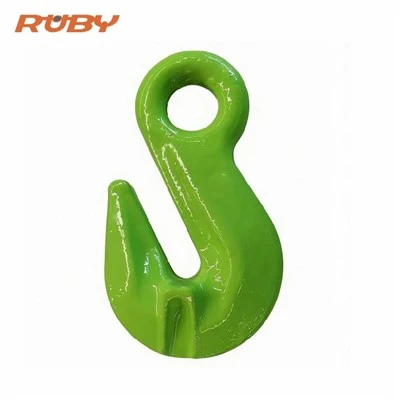
The hooks and connectors of a chain sling are just as important as the chain itself. They’re the parts that hold the load, so any damage to them can be a big deal.
Check the hooks for cracks, bends, or any signs of wear. The hooks should be able to open and close smoothly. If you notice any stiffness or difficulty in opening or closing the hook, it might be damaged.
Look at the connectors, too. Make sure they’re properly attached to the chain and that there are no signs of looseness or damage. Any movement in the connectors can cause the load to shift, which is really dangerous.
Testing the Strength
If you suspect that a chain sling might have some wear and tear, you can also test its strength. However, this should only be done by a professional with the right equipment.
One way to test the strength is through a proof load test. In this test, a load that is a certain percentage higher than the working load limit of the chain sling is applied to the sling for a short period of time. If the chain sling can withstand this load without failure, it’s a good sign that it’s still in good condition.
But remember, proof load testing can be dangerous, so it should only be done in a controlled environment by experts.
Frequency of Inspections
Now, you might be wondering how often you should inspect your chain slings. Well, it depends on how often you use them and the environment they’re used in.
If you use the chain slings frequently, like every day in a busy construction site, you should inspect them before each use. A quick visual inspection can help you catch any obvious problems right away.
For less frequent use, like once a week or once a month, a more thorough inspection, including measuring the link dimensions, should be done at least once a month.
If the chain slings are used in a harsh environment, like a place with a lot of moisture or chemicals, you need to inspect them more often because they’re more likely to corrode and wear out.
What to Do If You Find Wear and Tear
If you find any signs of wear and tear during your inspection, don’t ignore them. The first thing you should do is take the chain sling out of service immediately. Using a damaged chain sling is just asking for trouble.
Then, depending on the severity of the damage, you can decide whether to repair or replace the chain sling. Minor damage, like a small amount of surface rust, can sometimes be repaired. You can clean the rust off and apply a protective coating.
But if the damage is more serious, like a crack or a severely worn link, it’s better to replace the chain sling. It’s not worth taking the risk of using a damaged chain.
Conclusion

In conclusion, detecting wear and tear on a chain sling is a crucial part of keeping your workplace safe. By doing regular visual inspections, measuring the link dimensions, checking the hooks and connectors, and testing the strength when necessary, you can make sure that your chain slings are in good condition.
Chain Sling If you’re in the market for high – quality chain slings or have any questions about chain sling maintenance, feel free to reach out. We’re here to help you find the right solutions for your lifting needs. Whether you’re a small business or a large corporation, we’ve got the products and expertise to support you. Let’s start a conversation about your chain sling requirements and see how we can work together.
References
- ASME B30.9 – 2019, Slings.
- OSHA regulations related to lifting equipment and slings.
Hangzhou Ruby Imp. & Exp. Co., Ltd.
As one of the most experienced chain sling manufacturers and suppliers in China, we offer a wide range of products with superior quality. We warmly welcome you to wholesale custom made chain sling at competitive price from our factory.
Address: Taoyuan Industrial Park, Puyang Town, Xiaoshan, Hangzhou, Zhejiang, China.
E-mail: Sales5@z2lifting.com
WebSite: https://www.rubylifting.com/
