Hey there! I’m a supplier of pipe fittings, and I often get asked about how to install flange fittings. It’s a pretty common question, and I’m here to break it down for you in a simple way. Pipe Fittings
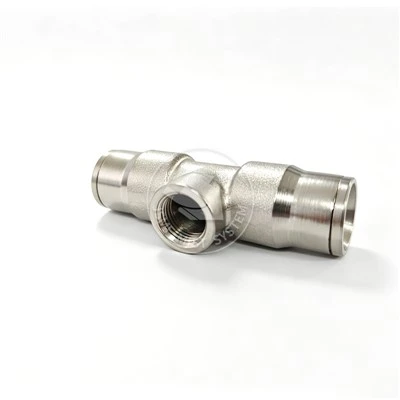
First off, let’s talk about what flange fittings are and why you might need to install them. Flange fittings are used to connect pipes, valves, pumps, and other equipment to form a piping system. They provide a strong, leak – proof connection that can handle high pressure and a variety of fluids. Whether you’re working on a small DIY plumbing project or a large industrial setup, knowing how to install flange fittings is super useful.
Getting Prepared
Before you start the installation process, you need to gather all the necessary tools and materials. Here’s a list of what you’ll typically need:
- Flange fittings: Make sure you have the right type and size of flanges for your pipes. We offer a wide range of flange fittings at our supply, including weld neck flanges, slip – on flanges, and blind flanges, so you can find the perfect fit for your project.
- Pipes: The pipes should match the size and material of the flange fittings.
- Gaskets: These are essential for creating a tight seal between the flanges. You can choose from different materials like rubber, cork, or metal, depending on the application.
- Bolts and nuts: They come in various sizes and grades. Make sure to select the right ones based on the flange size and the pressure requirements of your system.
- Welding equipment (if you’re using weld neck flanges): This includes a welding machine, electrodes, and safety gear like welding gloves and a welding helmet.
- Measuring tools: A tape measure and a level to ensure accurate alignment of the pipes and flanges.
- Wrenches: You’ll need adjustable wrenches or socket wrenches to tighten the bolts.
Step – by – Step Installation
Step 1: Prepare the Pipes
First, you need to cut the pipes to the correct length if they’re too long. Use a pipe cutter or a hacksaw, depending on the type of pipe. After cutting, make sure the ends of the pipes are clean and smooth. You can use a file or sandpaper to remove any burrs or rough edges. This is important because a smooth pipe end will ensure a proper fit with the flange and a better seal.
Step 2: Weld the Flanges (if applicable)
If you’re using weld neck flanges, this step is crucial. Slide the flange onto the pipe end, making sure it’s properly aligned. The weld neck flange has a tapered hub that provides a smooth transition from the flange to the pipe, which helps to reduce stress concentration. Use your welding equipment to weld the flange to the pipe. Follow the welding procedure recommended for the type of material you’re working with, whether it’s steel, stainless steel, or another metal. Make sure to wear your safety gear during welding to protect yourself from sparks and heat.
Step 3: Install the Gasket
Place the gasket on one of the flange faces. The gasket should be centered and cover the entire sealing surface of the flange. Make sure the gasket material is compatible with the fluid that will be flowing through the pipes. For example, if you’re dealing with a corrosive fluid, you’ll need a gasket made of a resistant material like Teflon.
Step 4: Align the Flanges
Bring the two flanges together, sandwiching the gasket between them. Use a level to make sure the flanges are perfectly aligned. Misaligned flanges can cause leaks and put extra stress on the bolts and the piping system. You may need to adjust the position of the pipes slightly to get the flanges in the right place.
Step 5: Insert the Bolts
Insert the bolts through the bolt holes in the flanges. Make sure the bolts are inserted from the same side of the flanges for a neat and uniform appearance. You can use a lubricant on the bolt threads to make it easier to tighten them later.
Step 6: Tighten the Bolts
Start tightening the bolts in a criss – cross pattern. This helps to distribute the pressure evenly across the flange faces and ensures a proper seal. Don’t tighten the bolts all the way at once. Instead, go around the flange several times, gradually increasing the tightness. Use a torque wrench to ensure that you’re tightening the bolts to the correct torque specification. Over – tightening the bolts can damage the flanges and the gasket, while under – tightening can lead to leaks.
Checking for Leaks
Once you’ve tightened all the bolts, it’s time to check for leaks. You can do this by pressurizing the piping system. Start with a low pressure and gradually increase it to the operating pressure. Inspect the flange connections carefully for any signs of leakage. If you notice any leaks, you may need to loosen the bolts slightly, adjust the gasket, and then retighten the bolts.
Troubleshooting
Sometimes, things don’t go as smoothly as planned. Here are some common problems you might encounter during flange fitting installation and how to fix them:
- Leaks: As mentioned earlier, leaks can be caused by misaligned flanges, improper gasket installation, or incorrect bolt tightening. Check the alignment, replace the gasket if necessary, and retighten the bolts to the correct torque.
- Bolt breakage: This can happen if the bolts are over – tightened or if they’re of poor quality. Replace the broken bolts with new ones of the correct size and grade, and make sure to tighten them properly.
- Gasket failure: Gaskets can fail due to chemical corrosion, high temperatures, or improper installation. If the gasket fails, replace it with a new one made of a more suitable material.
Why Choose Our Pipe Fittings
At our supply, we take pride in offering high – quality pipe fittings. Our flange fittings are made from the best materials, ensuring durability and reliability. We have a team of experts who can help you choose the right flange fittings for your specific needs. Whether you’re a professional plumber or a DIY enthusiast, we’ve got you covered.
If you’re planning a project that requires pipe fittings, don’t hesitate to reach out to us. We offer competitive prices and excellent customer service. Our goal is to make your installation process as easy and hassle – free as possible.
Water Mist Sprinkler Contact us today to discuss your project requirements and get a quote. We’re here to help you every step of the way, from choosing the right products to providing installation tips. Let’s work together to make your piping system a success!
References
- "Pipe Fittings Handbook"
- "Flange Installation Guide for Beginners"
- Industry standards and best practices for pipe fitting installation
Jinsheng Mist Forest-High Pressure Mist System
Jinsheng Mist Forest-High Pressure Mist System is one of the most experienced pipe fittings manufacturers and suppliers in China, featured by quality products and low price. Please rest assured to wholesale bulk pipe fittings in stock here and get pricelist from our factory. Customized orders are welcome.
Address: 109 Yonghong Road, Wenjiang District, Chengdu City, Sichuan Province, China
E-mail: 18190767523@163.com
WebSite: https://www.jswsmist.com/
