Hey there! As a supplier of stainless steel sheets and plates, I’ve seen firsthand how coatings can make a huge difference in their performance. In this blog post, I’m gonna break down the ins and outs of how coatings affect these products and why it matters to you. Stainless Steel Sheet/Plate
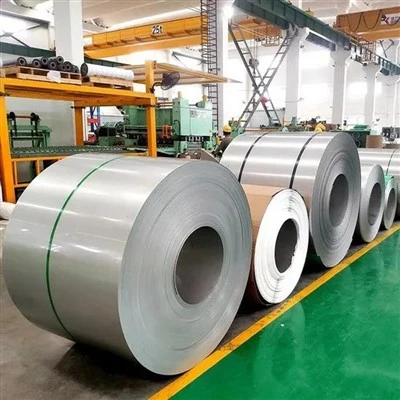
First off, let’s talk about what a coating is. Simply put, a coating is a layer of material applied to the surface of the stainless steel. There are different types of coatings, each with its own set of benefits. Some common coatings include epoxy, polyurethane, and zinc.
One of the main reasons to apply a coating to stainless steel sheets and plates is to improve corrosion resistance. Stainless steel is known for its natural ability to resist rust and corrosion, but in some harsh environments, it might not be enough. For example, in coastal areas where the air is salty, or in industrial settings with high levels of chemicals, the steel can still be at risk of corrosion. A good coating acts as a barrier between the steel and the corrosive elements in the environment.
Epoxy coatings, for instance, are great at protecting stainless steel from chemicals and acids. They form a tough, durable layer that can withstand exposure to a wide range of substances. Polyurethane coatings, on the other hand, are more flexible and offer excellent resistance to abrasion and UV rays. This makes them a good choice for outdoor applications where the steel is exposed to the sun and physical wear.
Another way coatings affect performance is by enhancing aesthetics. Let’s face it, sometimes how a product looks is just as important as how it functions. Coatings can give stainless steel sheets and plates a different finish, like a matte or glossy look. This can be really useful in architectural applications, where the steel is used in building facades, handrails, or decorative elements. A coat of paint can make the steel blend in better with the overall design or stand out as a bold feature.
But it’s not all about looks. Coatings can also improve the mechanical properties of stainless steel. They can increase the hardness of the surface, making the steel more resistant to scratches and dents. A hard-coated steel sheet will hold up better in a high-traffic area or a place where it’s likely to get bumped around.
Now, let’s talk about the application process. Applying a coating is not as simple as just slapping on some paint. There are several steps involved to ensure that the coating adheres properly and provides the best protection. First, the surface of the stainless steel needs to be cleaned thoroughly. Any dirt, grease, or rust has to be removed. This can be done using abrasive blasting, chemical cleaning, or a combination of both.
Once the surface is clean, it’s time to apply the primer. The primer helps the coating bond better to the steel. After the primer has dried, the topcoat can be applied. The number of coats and the drying time between each coat depend on the type of coating and the manufacturer’s recommendations.
But wait, there are some challenges too. One of the main issues with coatings is that they can degrade over time. Exposure to heat, moisture, and chemicals can cause the coating to crack, peel, or fade. This can reduce its effectiveness in protecting the steel. That’s why it’s important to choose the right coating for the specific application and to follow the maintenance guidelines.
Regular inspections are also a must. By checking the coating periodically, you can catch any signs of damage early and take action to repair it. This might involve touch-up painting or even reapplying the entire coating in some cases.
So, how do you choose the right coating for your stainless steel sheets and plates? Well, it depends on a few factors. First, think about the environment where the steel will be used. If it’s going to be exposed to harsh chemicals, you’ll need a coating with high chemical resistance. If it’s an outdoor application, UV resistance and weatherability are important.
Budget is another consideration. Some coatings are more expensive than others, but remember, you get what you pay for. A high-quality coating might cost more upfront, but it can save you money in the long run by reducing maintenance and replacement costs.
As a supplier, I’m here to help you make the right choice. I’ve worked with all kinds of coatings and know which ones work best in different situations. Whether you’re building a bridge, a kitchen countertop, or a piece of industrial equipment, I can recommend the coating that will give your stainless steel the best performance.
If you’re interested in learning more or if you’re ready to place an order for our stainless steel sheets and plates with the right coating, don’t hesitate to get in touch. We can have a chat about your specific needs, and I’ll do my best to find the perfect solution for you.
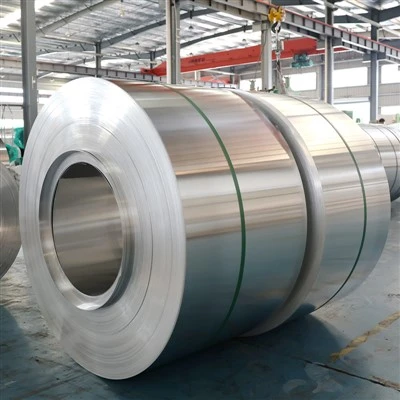
To sum it up, coatings play a crucial role in the performance of stainless steel sheets and plates. They can improve corrosion resistance, enhance aesthetics, and boost mechanical properties. But choosing the right coating and maintaining it properly are key to getting the most out of your investment.
Aluminum Sheet/Plate References
- ASM Handbook, Volume 5: Surface Engineering. ASM International.
- Paint and Coatings Technology: Principles, Practice, and Estimating. Harry H. Byers.
Wuxi Jin Ming Jian De Industry & Trade Co., Ltd.
Wuxi Jin Ming Jian De Industry & Trade Co., Ltd. is one of the most professional stainless steel sheet/plate manufacturers and suppliers in China, also supports customized service. With abundant experience, we warmly welcome you to wholesale CE approved stainless steel sheet/plate in stock here from our factory. If you have any enquiry about quotation, please feel free to email us.
Address: 2102-2105, Yuexing Building, Guangnan Road, Liangxi District, Wuxi City, Jiangsu Province, China.
E-mail: info@wxjmjdss.com
WebSite: https://www.jmjdsteelexp.com/
