Air pipes play a crucial role in various industries, from HVAC systems in commercial buildings to pneumatic conveying in manufacturing plants. As an air pipe supplier, I have extensive knowledge about the materials used to make these essential components. In this blog, I will explore the different materials commonly employed in air pipe production, their characteristics, advantages, and applications. AIR PIPE

1. Metal Materials
Steel
Steel is one of the most widely used materials for air pipes due to its strength, durability, and resistance to high temperatures and pressures. There are several types of steel used in air pipe manufacturing, including carbon steel and stainless steel.
- Carbon Steel: Carbon steel air pipes are known for their high strength and relatively low cost. They are suitable for a wide range of applications, such as industrial ventilation systems and exhaust pipes. However, carbon steel is prone to corrosion, especially in humid or corrosive environments. To prevent corrosion, carbon steel air pipes are often coated with a layer of paint or galvanized.
- Stainless Steel: Stainless steel air pipes offer excellent corrosion resistance, making them ideal for applications where the pipes are exposed to moisture, chemicals, or harsh environments. They are commonly used in food processing plants, pharmaceutical industries, and marine applications. Stainless steel air pipes are also hygienic and easy to clean, which is important in industries with strict sanitation requirements.
Aluminum
Aluminum is another popular material for air pipes, especially in applications where weight is a concern. Aluminum air pipes are lightweight, corrosion-resistant, and have good thermal conductivity. They are commonly used in HVAC systems, automotive air intake systems, and aerospace applications.
- Advantages: The lightweight nature of aluminum air pipes makes them easy to install and handle. They also have a high strength-to-weight ratio, which means they can withstand significant loads without being overly heavy. Additionally, aluminum is a recyclable material, making it an environmentally friendly choice.
- Disadvantages: Aluminum air pipes are generally more expensive than carbon steel pipes. They also have a lower melting point than steel, which may limit their use in high-temperature applications.
2. Plastic Materials
Polyvinyl Chloride (PVC)
PVC is a widely used plastic material for air pipes, especially in residential and commercial HVAC systems. PVC air pipes are lightweight, easy to install, and have good chemical resistance. They are also relatively inexpensive compared to metal pipes.
- Advantages: PVC air pipes are flexible, which makes them easy to bend and route around obstacles. They are also resistant to corrosion, mildew, and bacteria, which is important in maintaining indoor air quality. PVC air pipes are available in a variety of sizes and colors, making them suitable for different applications.
- Disadvantages: PVC air pipes have a lower temperature resistance than metal pipes, which means they may not be suitable for high-temperature applications. They also have a relatively low mechanical strength, which may limit their use in applications where the pipes are subjected to high pressures or impacts.
Polypropylene (PP)
PP is a thermoplastic material that is commonly used in air pipes for industrial applications. PP air pipes are lightweight, corrosion-resistant, and have good chemical resistance. They are also suitable for use in high-temperature applications.
- Advantages: PP air pipes have a high melting point, which makes them suitable for use in applications where the pipes are exposed to high temperatures. They are also resistant to a wide range of chemicals, including acids, alkalis, and solvents. PP air pipes are easy to install and can be joined using various methods, such as welding and adhesive bonding.
- Disadvantages: PP air pipes are relatively more expensive than PVC pipes. They also have a lower impact resistance than metal pipes, which may limit their use in applications where the pipes are subjected to high impacts.
3. Composite Materials
Fiberglass Reinforced Plastic (FRP)
FRP is a composite material that consists of a plastic matrix reinforced with fiberglass. FRP air pipes are lightweight, corrosion-resistant, and have good mechanical properties. They are commonly used in industrial applications, such as chemical processing plants and wastewater treatment facilities.
- Advantages: FRP air pipes have a high strength-to-weight ratio, which means they can withstand significant loads without being overly heavy. They are also resistant to corrosion, chemicals, and UV radiation, which makes them suitable for use in harsh environments. FRP air pipes are easy to install and can be fabricated into various shapes and sizes.
- Disadvantages: FRP air pipes are relatively more expensive than metal and plastic pipes. They also require special handling and installation techniques to ensure their proper performance.
Carbon Fiber Reinforced Plastic (CFRP)
CFRP is a composite material that consists of a plastic matrix reinforced with carbon fibers. CFRP air pipes are lightweight, strong, and have excellent stiffness. They are commonly used in aerospace and automotive applications, where weight reduction and high performance are critical.
- Advantages: CFRP air pipes have a very high strength-to-weight ratio, which makes them ideal for applications where weight is a concern. They are also resistant to corrosion, fatigue, and high temperatures. CFRP air pipes can be designed to have specific mechanical properties, such as stiffness and strength, to meet the requirements of different applications.
- Disadvantages: CFRP air pipes are extremely expensive compared to other materials. They also require specialized manufacturing processes and equipment, which may limit their availability and increase their cost.
4. Choosing the Right Material
When choosing the material for air pipes, several factors need to be considered, including the application, operating conditions, budget, and environmental requirements. Here are some guidelines to help you make the right choice:
- Application: The application of the air pipes will determine the required properties of the material. For example, if the pipes are used in a high-temperature environment, a material with high temperature resistance, such as stainless steel or FRP, should be chosen. If the pipes are used in a corrosive environment, a material with good corrosion resistance, such as stainless steel or PVC, should be selected.
- Operating Conditions: The operating conditions, such as pressure, temperature, and flow rate, will also affect the choice of material. For example, if the pipes are subjected to high pressures, a material with high strength, such as steel or CFRP, should be used. If the pipes are exposed to high temperatures, a material with high temperature resistance, such as stainless steel or FRP, should be selected.
- Budget: The budget is an important factor to consider when choosing the material for air pipes. Different materials have different costs, and the choice of material should be based on the available budget. For example, if the budget is limited, a material such as PVC or carbon steel may be a suitable choice. If the budget allows, a material such as stainless steel or CFRP may be preferred for its superior performance.
- Environmental Requirements: The environmental requirements, such as the need for recyclability and sustainability, should also be considered when choosing the material for air pipes. For example, if the pipes are used in an environmentally sensitive area, a material such as aluminum or FRP, which is recyclable, may be a suitable choice.
5. Conclusion
In conclusion, there are several materials available for making air pipes, each with its own characteristics, advantages, and applications. As an air pipe supplier, I can help you choose the right material for your specific needs based on the application, operating conditions, budget, and environmental requirements. Whether you need steel, aluminum, plastic, or composite air pipes, I have the expertise and resources to provide you with high-quality products.
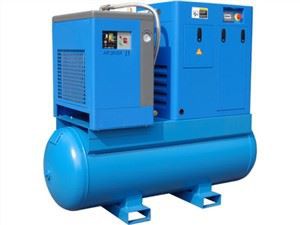
Two Stage PM Srew Air Compressor If you are interested in purchasing air pipes or have any questions about the materials used in their production, please feel free to contact me. I would be happy to discuss your requirements and provide you with a quote. Let’s work together to find the best solution for your air pipe needs.
References
- ASM Handbook, Volume 1: Properties and Selection: Irons, Steels, and High-Performance Alloys. ASM International.
- Plastics Engineering Handbook of the Society of Plastics Engineers. Carl Hanser Verlag.
- Composite Materials Handbook. Department of Defense.
Xiamen HighQ Compressor Co., Ltd.
With over 20 years’ experience, Xiamen HighQ Compressor Co., Ltd. is one of the most professional air pipe manufacturers and suppliers in China. We warmly welcome you to buy high quality air pipe made in China from our factory. Good service and punctual delivery are available.
Address: 7th F. No.704 Yi Hua Center Xiamen China 361100
E-mail: vincent@hqcompressor.com
WebSite: https://www.hqcompressor.com/
