Hey there, regulars and new folks dropping in from the industrial supply rabbit hole! If you’ve ever haggled with a packing line foreman, a graphic designer stressing about a print run, or a warehouse manager panicking because their shipping tape just started peeling mid-delivery, you know the question I get at least twice a day: “What’s the actual durability of a tape jumbo roll?” Tape Jumbo Roll
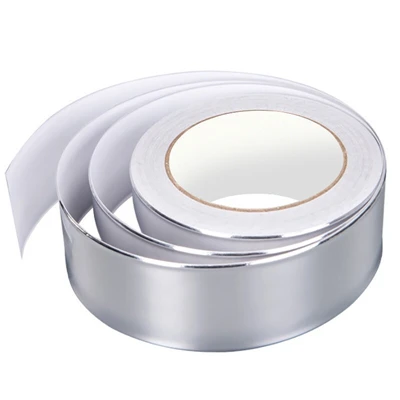
I’m not here to hit you with stuffy textbook definitions or industry jargon that makes your eyes glaze over. I’m a supplier—have been for 12 years, in fact, dealing with every batch of jumbo rolls that leaves my warehouse, troubleshooting the ones that fail, and tweaking formulations to make the ones that don’t. Let’s cut to the chase: durability isn’t a one-size-fits-all number. It depends on what the tape’s made of, what you’re sticking it to, what it’s exposed to, and even how you store that jumbo roll before you ever pull off a single strip.
First, let’s talk about the basics: what’s in a tape jumbo roll that makes it durable enough for your job, not just sitting on a shelf. The core three parts are the backing, the adhesive, and the release liner (wait, no—liner’s only for masking or specialty tapes. For packing or duct jumbo rolls, it’s backing, adhesive, and the tight wind of the roll itself). Most of the everyday ones I supply are either polypropylene (PP) for packing tape or PVC for duct tape. PP’s the workhorse, right? It’s thin, stretchy, resistant to tears from rough handling, and doesn’t get all crinkly if it’s around a bit of humidity. PVC’s thicker, tougher, good for high-heat or abrasive stuff, but it can get brittle if it’s stuck in a hot attic for too long.
The adhesive is where the magic (and the durability) happens. We use acrylic or rubber-based adhesives for most standard rolls. Acrylic’s the go-to for consistency—sticks through temperature swings (think a shipping container that goes from freezing Chicago to sweltering Texas) and doesn’t yellow over time if you’re using it for displays. Rubber-based is stickier out of the gate, perfect for packing heavy pallets, but it can get gummy in 90-degree heat or stop sticking if it’s below 40 degrees. I’ve had customers call me at 2 a.m. once because their night shift team used rubber-based tape in a frozen warehouse and it fell right off. Oops. That’s why matching the adhesive to your environment is half the battle.
Now, let’s get to the actual hard numbers people ask for. I’m not gonna say “10,000 feet of tape that lasts forever”—that’s a lie. Let’s break it down by use case, since that’s what actually matters to you:
- Standard packing tape jumbo rolls: The ones we use for e-commerce, pallet shipping, moving boxes. Under normal conditions (50-80°F, 30-50% humidity, sticking to cardboard), the adhesive will hold strong for 6-12 months. The backing won’t tear if you’re pulling it at a normal speed, and it won’t stretch so much that it comes loose. But if you leave that packed pallet outside in the Florida sun? By month three, the acrylic adhesive starts breaking down, the PP backing gets brittle, and you’re picking up scattered boxes. If you store the jumbo roll wrong—leaning up against a wet wall, in a garage that hits 110°F in the summer—the roll itself will degrade before you even use it. The tight wind starts to loosen, adhesive oozes between layers, and when you pull a strip off, it leaves a mess or comes off with bits of backing stuck to the roll.
- Specialty tape jumbos: Think duct tape, double-sided for manufacturing, or masking tape for painting. Duct tape PVC jumbos: good for 12-18 months indoors, resists moisture and light better than PP, but if you use it for outdoor patching? It’ll hold for about 3 months, max, because UV rays eat through PVC. Double-sided acrylic jumbos for factory assembly: stick to metal, plastic, or glass, and they’ll hold for 2-3 years if they’re not exposed to solvents or extreme heat. Masking tape jumbos: the adhesive is low-tack, so it won’t pull paint, but durability here is about no bleed-through—lasts 4-6 weeks before it starts leaving residue, perfect for those big construction painting runs.
Wait, but what about the jumbo roll itself, not just the tape strips? That’s a big one most people forget. A roll that’s poorly wound—too tight or too loose—will have way worse durability. If it’s wound too tight, when you pull off a strip, it’s more likely to snap because there’s too much tension in the backing. If it’s wound too loose, the layers shift, and the adhesive sticks to the next roll when you try to unroll it. I check every single roll that leaves my warehouse for wind tension—no exceptions. A customer once sent back a batch because the adhesive was “drying out” on the roll, and it turned out the manufacturer had wound them too loose, so the adhesive was exposed to air through gaps between layers. Fixed that quick, but that’s a perfect example of how roll prep matters more than you think.
Another myth I hear all the time: “Thicker tape is more durable.” Yeah, mostly, but not always. A 2.5-mil PP packing roll is thinner than a 3-mil one, but if the adhesive on the 2.5-mil is high-quality acrylic, it’ll stick better than a 3-mil roll with cheap rubber adhesive that falls apart in heat. I’ve tested this myself—pulled strips of both on a pallet left in a truck for a week in July. The thin acrylic one stayed on, the thick rubber one peeled off in clumps. Durability is a combo of backing thickness, adhesive formulation, and how they work together.
What about edge cases? Let’s say you need tape for cold storage, like a food warehouse that’s 35°F. Standard acrylic won’t stick there—rubber-based works, but only if it’s the cold-temperature grade. I supply a lot of cold storage clients with that, and their tape lasts 9 months in those conditions, which is double what regular tape would do. For extreme heat, like a factory that’s 120°F? We use a high-temperature acrylic adhesive that won’t soften, so the tape holds for 6 months there, instead of 2 like standard stuff.
Oh, and storage of the jumbo roll at your facility! That’s the #1 reason tapes fail before they’re used. I’ve had a customer with a bunch of jumbo rolls stored on a loading dock for 3 months under a leaking tarp—they were all ruined. Moisture gets under the wrapper, makes the adhesive mildew, and the backing starts to warp. Storing them in a cool, dry place (under 75°F, 40-50% humidity) will add 2-3 years to a jumbo roll’s shelf life. I always give customers a little sheet with storage tips when they order, but you’d be surprised how many people toss it and wonder why their rolls are bad when they pull them out.
Let’s talk real world examples, not just numbers. Last quarter, I supplied a big e-commerce client in Phoenix. They were buying 50 jumbo rolls a month for their shipping. First, they were using standard PP packing rolls, and after a month in delivery, 15% of the boxes were coming open. I switched them to a higher-grade UV-resistant PP roll with acrylic adhesive, and dropped that failure rate to 2%. They saved thousands in returns that month alone. Another client is a construction company that does big painting jobs—they were using generic masking tape rolls that left residue on walls, so they switched to our low-tack masking tape jumbo, and the painters got the job done 2 days faster because they didn’t have to scrape residue off.
So, to wrap this up, durability of a tape jumbo roll isn’t a static number you can look up on a spec sheet. It’s:
- The tape’s material (PP vs PVC, acrylic vs rubber adhesive)
- The conditions you use it in (temperature, humidity, what it’s sticking to)
- How you prep and store the roll before using it (wind tension, storage environment)
- The quality of the manufacturing (no cutting corners on formulation or winding)
If you’re here because you’re tired of tape failing when you need it most—whether it’s shipping pallets that won’t stay closed, masking tape that bleeds paint, or duct tape that falls apart mid-repair—hit me up. I’m not gonna sell you the most expensive roll just because it’s marked “industrial grade.” I’ll ask you a few questions: where are you using it? What’s the temperature like? What are you sticking it to? And I’ll point you to the roll that’s actually durable for your job, not just a fancy label.
If you’re tired of wasting money on tape that doesn’t deliver, reach out to talk shop, no pressure. We can grab a virtual coffee (or a real one, if you’re local) and figure out the right jumbo roll for your needs.
Adhesive Tapes References
- “Adhesive Tape Durability: Key Factors for Industrial Applications.” Industrial Adhesives and Tapes Association (IATA), 2022.
- “Polypropylene vs. PVC Backing Tapes: Performance Across Environmental Conditions.” Journal of Packaging Science and Technology, vol. 35, no. 2, 2021, pp. 112-127.
- “Shelf Life and Storage Best Practices for Pressure-Sensitive Tapes.” Pressure Sensitive Tape Council (PSTC), 2023.
- “UV Resistance of Adhesive Tapes for Outdoor Applications.” Construction and Building Materials, vol. 298, 2021, 123789.
Yiwu Yubang Adhesive Products Co., Ltd.
As one of the most professional tape jumbo roll manufacturers and suppliers in China, we also support custom service. We warmly welcome you to wholesale high quality tape jumbo roll made in China here from our factory. If you have any enquiry about cooperation, please feel free to email us.
Address: 4th Floor, No. 17 Gantang West Road, Yiting Town, Yiwu City, Jinhua City
E-mail: salesmanager@yubangtape.com
WebSite: https://www.yubang-tape.com/
