As a supplier of depth filter modules/cartridges, I’ve seen firsthand how temperature can significantly impact the performance and lifespan of our products. In this blog post, I’ll delve into the various ways temperature affects depth filter modules/cartridges, drawing on both scientific principles and real-world experiences in the industry. Depth Filter Modules / Cartridges
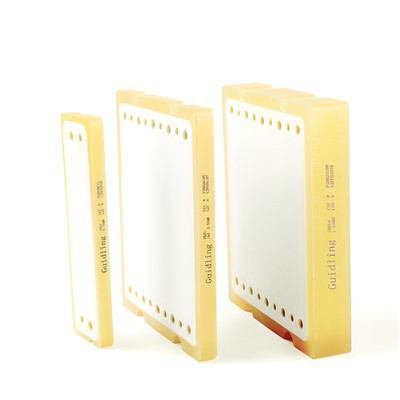
Overview of Depth Filter Modules/Cartridges
Before we explore the impact of temperature, let’s briefly review what depth filter modules/cartridges are. Depth filters are designed to remove contaminants from liquids or gases by trapping particles within the filter medium. Unlike surface filters, which only capture particles on the surface, depth filters have a porous structure that allows particles to penetrate and be retained throughout the filter’s thickness. This makes them highly effective at removing a wide range of contaminants, including suspended solids, colloids, and microorganisms.
Depth filter modules/cartridges are available in a variety of configurations, including pleated, cylindrical, and flat sheet designs. They are commonly used in industries such as pharmaceuticals, biotechnology, food and beverage, electronics, and water treatment, where the removal of contaminants is critical to product quality and process efficiency.
The Impact of Temperature on Filter Performance
Temperature can have a profound impact on the performance of depth filter modules/cartridges. Here are some of the key ways in which temperature affects filter performance:
1. Viscosity of the Fluid
One of the most significant ways temperature affects filter performance is by altering the viscosity of the fluid being filtered. Viscosity is a measure of a fluid’s resistance to flow, and it is directly affected by temperature. As the temperature of a fluid increases, its viscosity decreases, which means it flows more easily. Conversely, as the temperature decreases, the viscosity increases, making the fluid more resistant to flow.
In the context of depth filtration, changes in fluid viscosity can have a significant impact on the filter’s pressure drop and flow rate. When the viscosity of the fluid is high, it requires more energy to push the fluid through the filter, resulting in a higher pressure drop. This can lead to reduced flow rates and increased operating costs. On the other hand, when the viscosity is low, the fluid flows more easily through the filter, resulting in a lower pressure drop and higher flow rates.
To optimize filter performance, it is important to consider the viscosity of the fluid at the operating temperature. If the fluid is too viscous, it may be necessary to preheat the fluid or select a filter with a lower resistance to flow. Conversely, if the fluid is too thin, it may be necessary to cool the fluid or select a filter with a higher retention rating to prevent breakthrough of fine particles.
2. Chemical Reactivity
Temperature can also affect the chemical reactivity of the fluid being filtered and the filter medium itself. Many chemical reactions are temperature-dependent, meaning they occur more rapidly at higher temperatures. In the context of depth filtration, this can lead to increased degradation of the filter medium and accelerated fouling of the filter.
For example, some filter materials may be susceptible to chemical degradation at high temperatures, particularly in the presence of certain chemicals or solvents. This can lead to a loss of mechanical strength and integrity of the filter, resulting in reduced filtration efficiency and increased risk of filter failure. Additionally, high temperatures can increase the solubility of certain contaminants in the fluid, making them more difficult to remove by filtration.
To minimize the impact of chemical reactivity on filter performance, it is important to select a filter medium that is compatible with the fluid being filtered and the operating temperature. This may involve conducting compatibility tests or consulting with the filter manufacturer to ensure the filter is suitable for the specific application. Additionally, it may be necessary to monitor the temperature of the fluid and the filter during operation and take appropriate measures to control the temperature if necessary.
3. Microbial Growth
Temperature can also have a significant impact on microbial growth in depth filter modules/cartridges. Many microorganisms, such as bacteria, yeast, and mold, thrive in warm, moist environments. If the temperature of the fluid being filtered is within the optimal range for microbial growth (typically between 20°C and 40°C), it can provide a favorable environment for microorganisms to multiply and colonize the filter.
Microbial growth in the filter can lead to several problems, including increased pressure drop, reduced flow rates, and contamination of the filtered product. Additionally, some microorganisms can produce enzymes and other metabolites that can degrade the filter medium and cause fouling.
To prevent microbial growth in depth filter modules/cartridges, it is important to maintain the temperature of the fluid and the filter within an appropriate range. This may involve using a heat exchanger to cool the fluid before filtration or storing the filter in a cool, dry place. Additionally, it may be necessary to use a sterilizing filter or incorporate a biocide into the filtration system to prevent the growth of microorganisms.
4. Mechanical Integrity of the Filter
Finally, temperature can also affect the mechanical integrity of the depth filter modules/cartridges. Most filter materials are sensitive to temperature changes, and repeated exposure to high or low temperatures can cause the filter to expand or contract, leading to stress and potential damage to the filter structure.
For example, some filter materials may become brittle at low temperatures, increasing the risk of cracking and breakage. Conversely, high temperatures can cause the filter material to soften and deform, leading to a loss of shape and integrity. This can result in reduced filtration efficiency and increased risk of filter failure.
To ensure the mechanical integrity of the depth filter modules/cartridges, it is important to select a filter material that is suitable for the operating temperature. Additionally, it may be necessary to design the filter housing and support structure to accommodate temperature-induced expansion and contraction. Regular inspection and maintenance of the filter can also help to identify and address any potential issues before they lead to filter failure.
Practical Considerations for Temperature Management
In order to optimize the performance and lifespan of depth filter modules/cartridges, it is important to carefully manage the temperature of the fluid and the filter during operation. Here are some practical considerations for temperature management:
1. Monitor Temperature
The first step in temperature management is to monitor the temperature of the fluid and the filter during operation. This can be done using temperature sensors installed in the filtration system. By monitoring the temperature, you can identify any temperature fluctuations or abnormalities and take appropriate measures to control the temperature if necessary.
2. Control Temperature
Once you have monitored the temperature, the next step is to control it within an appropriate range. This may involve using heat exchangers to heat or cool the fluid before filtration, or insulating the filter housing to minimize heat transfer. Additionally, it may be necessary to adjust the flow rate of the fluid through the filter to control the temperature.
3. Select the Right Filter
When selecting a depth filter module/cartridge, it is important to consider the operating temperature of the fluid. Choose a filter material that is compatible with the temperature range of the fluid and the application. Additionally, consider the filter’s thermal stability and mechanical properties to ensure it can withstand the temperature changes without compromising its performance.
4. Train Operators
Proper training of operators is essential for effective temperature management. Operators should be trained to monitor and control the temperature of the fluid and the filter, as well as to identify and address any potential temperature-related issues. By providing operators with the necessary knowledge and skills, you can ensure the efficient and reliable operation of the filtration system.
Conclusion
In conclusion, temperature has a significant impact on the performance and lifespan of depth filter modules/cartridges. By understanding the various ways in which temperature affects filter performance, you can take appropriate measures to manage the temperature and optimize the efficiency of the filtration process.
Multiple Stages As a supplier of depth filter modules/cartridges, we are committed to providing our customers with high-quality products and technical support. If you have any questions or require further information about the impact of temperature on depth filter modules/cartridges, or if you are interested in learning more about our products and services, please feel free to contact us. We look forward to discussing your specific needs and helping you find the best filtration solutions for your application.
References
- Cheryan, M. (1998). Ultrafiltration and Microfiltration Handbook. Technomic Publishing Company.
- Porter, M. C. (1997). Handbook of Industrial Filtration. Marcel Dekker.
- Purchas, D. B., & Sutherland, J. K. (2001). Industrial Filtration of Liquids. Elsevier.
Hangzhou Guidling Technology Co., Ltd.
Address: No.795, 18th Street, Qiantang New District, Hangzhou City, Zhejiang Province, China
E-mail: export1@guidling.net
WebSite: https://www.guidlingfiltration.com/
