When it comes to the smooth operation of machinery that relies on an output shaft, the timely replacement of wear parts is crucial. As a professional output shaft supplier, I’ve witnessed firsthand the importance of this process in extending the lifespan of equipment and maintaining optimal performance. In this blog, I’ll share detailed steps on how to replace the wear parts of an output shaft, drawing from my years of experience in the industry. Output Shaft

Understanding the Output Shaft and Its Wear Parts
Before delving into the replacement process, it’s essential to understand what an output shaft is and what its common wear parts are. An output shaft is a mechanical component that transmits power from a machine, such as an engine or a motor, to other parts of the system. It’s a critical link in the power – transmission chain, and its proper functioning is vital for the overall performance of the machinery.
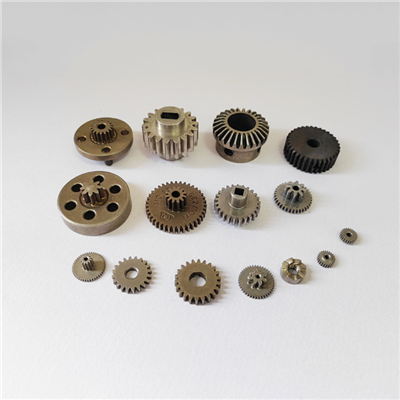
Common wear parts of an output shaft include bearings, seals, and gears. Bearings support the shaft and allow it to rotate smoothly, reducing friction. Over time, the constant rotation and load can cause the bearings to wear out. Seals are responsible for preventing lubricant leakage and keeping contaminants out. They are often exposed to harsh environments, which can lead to wear and tear. Gears, if present on the output shaft, transfer power through meshing teeth. The repeated engagement and disengagement can cause tooth wear and pitting.
Pre – replacement Preparation
Gather the Necessary Tools
Before starting the replacement process, you need to gather the appropriate tools. These typically include wrenches, sockets, a bearing puller, a seal installer, a torque wrench, and a hammer. Having the right tools on hand will make the replacement process more efficient and reduce the risk of damaging the parts.
Select the Correct Replacement Parts
As an output shaft supplier, I emphasize the importance of using high – quality replacement parts. Make sure the parts you choose are compatible with your specific output shaft. This includes matching the dimensions, material specifications, and load – carrying capacities. Inferior parts can lead to premature failure and potentially cause damage to the entire system.
Safety First
Safety should always be your top priority. Disconnect the power source to the machine to prevent unexpected startup. Wear appropriate personal protective equipment (PPE), such as gloves and safety glasses, to protect yourself from potential hazards during the replacement process.
Step – by – Step Replacement Process
Removing the Old Parts
- Disassembly: Begin by removing any components that are attached to the output shaft. This may include belts, pulleys, or couplings. Use the appropriate wrenches and sockets to loosen and remove the fasteners.
- Bearing Removal: If the bearings need to be replaced, use a bearing puller. Place the puller jaws around the bearing and tighten the puller screw. As you tighten the screw, the bearing will gradually be pulled off the shaft. Be careful not to damage the shaft during this process.
- Seal Removal: To remove the old seal, you can use a flat – tip screwdriver or a seal removal tool. Insert the tool under the edge of the seal and gently pry it out. Take care not to scratch the shaft surface.
- Gear Removal (if applicable): If gears need to be replaced, remove the retaining rings or bolts that hold them in place. Use a gear puller or a press to remove the gears from the shaft.
Installing the New Parts
- Bearing Installation: Before installing the new bearing, clean the shaft surface thoroughly. Apply a thin layer of lubricant to the shaft. Use a bearing installer to press the bearing onto the shaft. Make sure the bearing is seated properly and is aligned correctly. Use a torque wrench to tighten any retaining nuts or bolts to the specified torque.
- Seal Installation: Clean the seal housing and the shaft surface. Apply a small amount of lubricant to the lip of the new seal. Use a seal installer to press the seal into place. Ensure that the seal is installed evenly and without any twists.
- Gear Installation (if applicable): If you are replacing gears, clean the gear and the shaft mating surfaces. Use a press or a suitable installation tool to fit the gear onto the shaft. Align the gear teeth properly and secure the gear with the retaining rings or bolts using the correct torque.
Reassembly
Once all the new wear parts are installed, reassemble the components that were removed earlier. This includes connecting belts, pulleys, and couplings. Make sure all fasteners are tightened to the specified torque.
Post – replacement Checks
Lubrication
Proper lubrication is essential for the smooth operation of the output shaft. Check the lubricant levels in the system and top up if necessary. Use the recommended type of lubricant for your specific application.
Alignment
Check the alignment of the output shaft with other components in the system. Misalignment can cause excessive wear on the shaft and the newly installed parts. Use alignment tools to ensure that the shaft is properly aligned.
Function Testing
After completing the replacement and checks, perform a function test of the machine. Start the power source and observe the operation of the output shaft. Listen for any abnormal noises, vibrations, or leaks. If you notice any issues, stop the machine immediately and troubleshoot the problem.
Conclusion
Precision Machined Parts Replacing the wear parts of an output shaft is a task that requires attention to detail and proper knowledge. By following the steps outlined in this blog, you can ensure a successful replacement and keep your machinery running smoothly. As an output shaft supplier, I’m here to assist you with any questions you may have regarding output shafts and their wear parts. Whether you need advice on part selection or installation, feel free to reach out to me for a discussion. We can explore how our high – quality output shafts and replacement parts can meet your specific needs and enhance the performance of your equipment.
References
- Mechanical Engineering Handbook: Power Transmission Systems
- Output Shaft Manufacturer’s Technical Manuals
- Industrial Lubrication and Tribology Handbook
Taizhou Liuhuan Machinery Co., Ltd.
As one of the most professional output shaft manufacturers and suppliers in China, we’re featured by quality products and good service. Please rest assured to buy customized output shaft made in China here from our factory. For quotation, contact us now.
Address: Xinyuan Industrial Zone, Damaiyu Street, Yuhuan City, Zhejiang Province,China
E-mail: tzlhmachining@gmail.com
WebSite: https://www.tzlhmachining.com/
