Hey there! I’m from a power distribution equipment supplier, and today I wanna talk about how to install power distribution equipment in a high – seismic area. It’s a topic that’s super important, especially considering the potential risks and challenges that seismic activities bring to power systems. Power Distribution Equipment
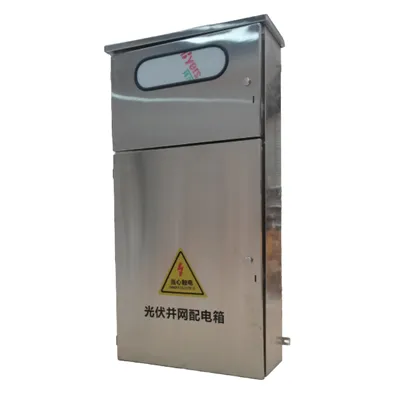
First off, let’s understand the challenges we face in high – seismic areas. Earthquakes can cause all sorts of problems. The ground shakes, and that can lead to equipment displacement, damage to electrical connections, and even complete failure of the power distribution system. So, when we’re installing power distribution equipment in these areas, we’ve got to take extra precautions.
Site Assessment
The very first step is a thorough site assessment. You can’t just go in and start installing stuff without knowing what you’re up against. We need to look at the geological conditions of the site. Things like soil type matter a lot. Soft soil can amplify the seismic waves, which means more stress on the equipment. We also need to check for any fault lines nearby. If there are active fault lines, that’s a big red flag, and we need to plan accordingly.
Another aspect of the site assessment is the local seismic history. How often do earthquakes happen in the area? What’s the average magnitude? This info helps us determine the level of seismic resistance our equipment needs. For example, if the area has a history of frequent and strong earthquakes, we’ll need to use equipment with a higher seismic rating.
Equipment Selection
Once we’ve got a good understanding of the site, it’s time to choose the right equipment. Not all power distribution equipment is created equal when it comes to seismic resistance. We need to look for equipment that’s specifically designed to withstand seismic forces.
For transformers, we want ones with a robust structure. They should have good bracing and anchoring systems to prevent them from toppling over during an earthquake. Circuit breakers also need to be able to handle the sudden shocks. We look for ones with flexible connections that can absorb the vibrations without breaking.
Switchgear is another critical piece of equipment. It should be built with materials that can resist deformation. And the internal components should be well – secured to prevent them from moving around during an earthquake.
Installation Design
The installation design is crucial in high – seismic areas. We need to make sure that the equipment is properly anchored to the ground. This means using strong bolts and foundations that can withstand the seismic forces.
For large equipment like transformers, we might use a base isolation system. This system separates the equipment from the ground and allows it to move independently during an earthquake. It’s like putting the equipment on a shock – absorber, which helps reduce the impact of the seismic waves.
We also need to pay attention to the electrical connections. The cables should be installed with enough slack to allow for movement during an earthquake. And the connections should be made in a way that they can’t come loose easily.
Quality Control
During the installation process, quality control is non – negotiable. We need to have a team of experts on site to monitor every step of the installation. They should check the alignment of the equipment, the tightness of the bolts, and the integrity of the electrical connections.
We also need to conduct regular inspections during and after the installation. This helps us catch any potential issues early on and make the necessary adjustments. For example, if we notice that the equipment is starting to shift slightly, we can take steps to correct it before it becomes a bigger problem.
Maintenance and Monitoring
Once the equipment is installed, the work doesn’t stop there. We need to have a proper maintenance and monitoring plan in place. Regular maintenance helps keep the equipment in good working condition. We should check the insulation, the contacts, and the mechanical parts of the equipment on a regular basis.
Monitoring is also essential. We can use sensors to detect any changes in the equipment’s performance. For example, if the vibration levels of a transformer increase suddenly, it could be a sign of a problem. By monitoring these parameters, we can take proactive measures to prevent equipment failure.
Training and Education
It’s not just about the equipment and the installation. We also need to make sure that the people who are going to operate and maintain the power distribution system are well – trained. They should understand the unique challenges of working in a high – seismic area and know how to respond in case of an earthquake.
We can provide training courses on seismic safety, equipment operation, and emergency response. This helps ensure that everyone involved in the power distribution system is prepared for any situation.
Cost Considerations
Installing power distribution equipment in a high – seismic area can be more expensive than in a normal area. The cost of the equipment with higher seismic ratings is usually higher. And the installation process might require more labor and materials.
However, it’s important to look at the long – term benefits. By investing in high – quality, seismic – resistant equipment and a proper installation, we can reduce the risk of equipment damage and power outages during an earthquake. This can save a lot of money in the long run, not to mention the potential impact on public safety.
Conclusion
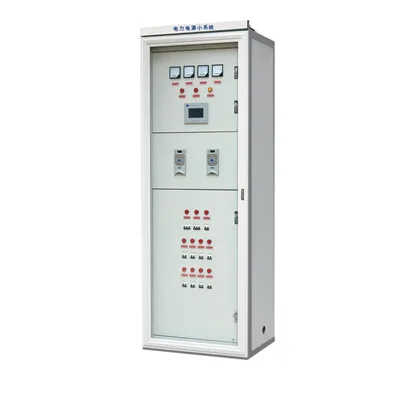
Installing power distribution equipment in a high – seismic area is a complex but achievable task. By following the steps I’ve outlined above, we can ensure that the power distribution system is safe, reliable, and able to withstand seismic forces.
Power Distribution Equipment If you’re in the market for power distribution equipment and you’re dealing with a high – seismic area, don’t hesitate to reach out. We’ve got the expertise and the products to help you get the job done right. Whether you need help with site assessment, equipment selection, or installation design, we’re here to assist. Let’s have a chat and see how we can work together to meet your power distribution needs.
References
- "Seismic Design of Electrical Equipment" by the Institute of Electrical and Electronics Engineers (IEEE)
- "Guidelines for Seismic Design of Power Systems" by the International Electrotechnical Commission (IEC)
- "Earthquake – Resistant Design of Power Distribution Equipment" in various industry research papers
Si County Haneng Chengxin Electrical Engineering Co., Ltd.
As one of the most professional power distribution equipment manufacturers and suppliers in China, we also support customized service. Welcome to buy advanced power distribution equipment made in China here from our factory. If you have any enquiry about pricelist, please feel free to email us.
Address: Hanergy Green Building Science Park, Economic Development Zone, Sixian County, Anhui Province
E-mail: 19166759898@163.com
WebSite: https://www.hannenglvjian.com/
