If you’ve ever held a perfectly machined, tight-fitting automotive part or a durable plumbing component that never leaks, you might have wondered how it got that way. As someone who has spent 18 years running a small but trusted castings supplier, I can tell you it’s not just about the metal you pour or the mold you use. It’s about the mold temperature—the quiet, often overlooked variable that can make a great casting and a scrap pile difference. Early in my career, I learned this lesson the hard way. Back in 2005, we took on a contract for 500 aluminum engine cylinder heads for a local small engine repair shop. We were running our sand molds at a steady 220°F, a number we’d stuck with since we started, because it felt “right” and matched what our mentor had taught us. The first batch came out lumpy, with tiny surface bubbles and a few hidden voids that showed up only when we pressure-tested the heads. We lost half the batch, fell weeks behind schedule, and almost lost that customer. That mistake is what turned me into a mold temperature nerd, and it’s why I now walk every new setup through temperature checks before we pour a single ounce of metal. Castings
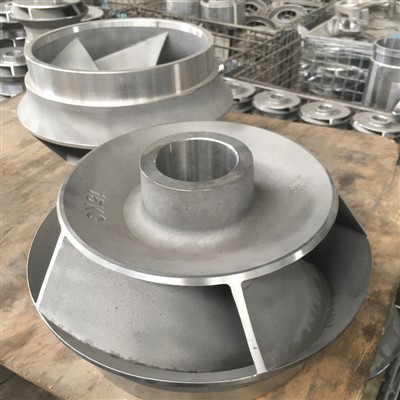
Let’s start with the basics. Mold temperature, in simple terms, is the temperature of the mold cavity right before molten metal is poured into it. For most of the castings we do, that’s aluminum, but we also work with brass, bronze, and low-carbon steel for things like agricultural parts and decorative hardware. The number isn’t random; it sits on a spectrum based on the metal, the mold material (sand, investment, permanent steel, depending on the part), and the part’s size and complexity. Too cold, and trouble starts fast. If a mold is far below the ideal temperature, the outside of the molten metal will cool too quickly the second it hits the cavity. That quick chill creates a thin, hard outer layer of metal that solidifies before the rest of the metal has filled every corner of the mold. The result is misruns—parts where the metal didn’t reach thin sections, like the fine cooling fins on a cylinder head or the threaded holes on a plumbing valve body. Even if the metal does fill the cavity, that fast surface chill can trap gases that the molten metal was holding. When the metal finally cools all the way, those gases get stuck just under the surface, forming tiny, weak bubbles that look like pinholes when the part is machined. They don’t just ruin the finish; they can become failure points when the part is in use, like an engine head cracking under pressure or a valve leaking water.
Too hot is just as bad, though. When a mold is overheated, the metal cools too slowly. That slow cooling gives the metal’s atoms time to form large, grainy structures inside the casting. Those coarse grains make the part weaker overall—more likely to bend, crack, or break under load. For parts meant to carry stress, like the brackets that hold a tractor’s transmission in place, that extra brittleness is a dealbreaker. We once had a farmer send back 30 cast steel hitch brackets last year because three of them cracked within two weeks of being installed. Turns out, the new part-time operator we’d hired had cranked up the mold temperature to 550°F “to make the metal flow easier” for large parts. The slow cooling gave the grain time to grow, turning a sturdy bracket into something too fragile for farm work. Overheated molds also cause another headache: mold degradation. For sand molds, the high heat can break down the binders that hold the sand together, making the mold crumble mid-pour and leaving sand in the casting’s surface. For permanent steel molds, repeated exposure to excessive temperature causes thermal fatigue—small cracks form in the mold walls that get worse with every use, leading to frequent mold replacements and even more downtime for us.
So what’s the sweet spot? It’s not a one-size-fits-all number, but there are guidelines we follow that have saved us from more headaches. For aluminum castings, our most common material, sand molds usually sit between 350°F and 450°F, depending on the part. Thin, complex parts like the cooling fins on an engine head need the higher end of that range, around 425°F to 450°F, because they cool so fast naturally. A little extra mold heat gives the metal enough time to fill all the tiny, intricate spaces without forming too many bubbles. Thicker, simpler parts like valve bodies run better at 350°F to 375°F, because they don’t need as much extra heat to fill the cavity, and lower temperature keeps the grain structure fine. For permanent steel molds, we keep things a little hotter—usually between 400°F and 500°F for aluminum, and a bit higher for brass. The steel mold holds heat differently than sand, so a little extra temperature helps the metal release cleanly from the cavity without sticking, but we never go above 500°F because that wears the mold out too fast.
Getting the temperature right isn’t just about setting a dial and forgetting it, either. Here’s another thing I learned early on: mold temperature doesn’t stay consistent. When we start a shift, our molds are cool, so we preheat them for two to three hours before pouring. But as we pour batch after batch, the molds absorb heat from the molten metal, and their temperature creeps up by 50°F to 100°F, especially for large parts. If we don’t check that temperature every few pours, we end up with the same problems we’ve talked about. We have a checklist taped to every furnace and every mold station now: before each pour, a tech checks the mold temperature with a laser gun, writes it down, and adjusts the mold’s preheat or cool time if it’s off by more than 25°F. It sounds tedious, but that one check has cut our scrap rate by 32% over the last ten years. We also keep a log of every part, every mold, and every temperature, so if a batch does go wrong, we can go back and see if temperature was the issue, not just a bad batch of metal.
Now, you might be thinking, “That’s all great for small run castings, but what about mass production?” Let me tell you, temperature is even more critical for large runs because consistency is everything. If you’re running 10,000 identical plumbing valves, one off temperature in a few molds will mean a lot of bad parts, wasted material, and unhappy customers. A few years ago, we got a big contract for 20,000 brass gate valves for a national hardware chain. The specification called for no surface defects and a tensile strength of at least 30,000 psi. Before we even started production, we ran a test of 100 valves at three different mold temperatures: 400°F, 450°F, and 500°F. The 400°F molds gave us 2% scrap from misruns, the 500°F gave us 8% scrap from grain-related brittleness, and the 450°F mold gave us almost zero scrap. We stuck with that temperature for the entire run, and when the chain’s quality team tested the first shipment, they said our valves exceeded their strength requirements and had the lowest defect rate of any supplier they were working with. That contract is still with us today, and we’ve since done three more runs of that valve.
I also want to address a common misconception I hear from new customers: “I can just compensate for bad mold temperature by adjusting the pouring temperature.” No, you can’t. Pouring metal hotter than necessary creates all its own problems: more gas bubbles, slower cooling, more grain growth, and even more mold degradation. We’ve had a customer send us castings that were coming out with pinhole defects, and they insisted their pouring temperature was perfect, so they thought we just needed to clean the metal better. When we tested their molds, we found they were running at 280°F—way too cold for their aluminum parts. We explained that pouring 50°F hotter wouldn’t fix the problem, it would just make the grain structure weaker and cause more shrinkage voids. We adjusted their mold temperature to 400°F, and their defect rate dropped by 70% almost immediately.
At our company, we don’t just sell castings. We sell reliability, parts that will work when our customers need them, no unexpected failures. That starts with paying attention to the small details, and mold temperature is one of the biggest. It’s not a flashy variable, like a new type of metal or a fancy mold material, but it’s the one that shows up in the end product, every time. I still remember that 2005 engine head batch. We lost a lot of money on that first run, but we gained something more valuable: a reputation for getting the details right, even when no one is watching.

If you need castings that are consistent, strong, and defect-free, whether you need a small batch for a local project or a large run for mass production, we’re here to help. We work with aluminum, brass, bronze, and low-carbon steel, and we walk every project through temperature checks, material testing, and quality inspections to make sure every casting meets your exact specifications. To learn more about how we can support your project, connect with our team to discuss your casting needs.
Fan Impeller References:
- Campbell, J. (2015). Complete Casting Handbook: Metal Casting Processes, Techniques and Design. Butterworth-Heinemann.
- Stefanescu, D. M. (2019). Science and Engineering of Casting Solidification. Springer.
- ASM International. (2008). Casting Design and Performance. ASM Handbook, Vol. 15.
Shandong Shunye Stainless Steel Co., Ltd.
Shandong Shunye Stainless Steel Co., Ltd. is one of the most professional castings manufacturers and suppliers in China, also supports customized service. Welcome to buy bulk cheap castings made in China here and get quotation from our factory. For price consultation, contact us.
Address: Shandong Province, Binzhou City, Wudi County, Liubao Town, Zhangdong Road, Duliucun Village
E-mail: sales@wdshunye.com
WebSite: https://www.shunyecasting.com/
