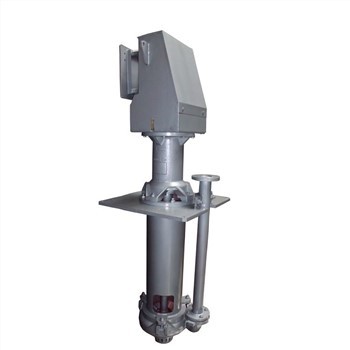
As a seasoned gravel pump supplier, I’ve had the privilege of witnessing the widespread use and importance of these pumps in various industries. Gravel pumps play a crucial role in handling abrasive and high – density slurries, but like any mechanical equipment, they come with their own set of common problems. In this blog, I’ll delve into some of the most prevalent issues that users of gravel pumps may encounter. Gravel Pump

1. Wear and Tear
One of the most significant problems with gravel pumps is wear and tear. Gravel pumps are designed to handle highly abrasive materials, such as gravel, sand, and other solid particles. The constant flow of these abrasive substances through the pump causes significant wear on the impeller, casing, and other internal components.
The impeller, in particular, is at high risk. As it rotates to generate the necessary centrifugal force to move the slurry, the abrasive particles erode its surface. This not only reduces the efficiency of the pump but can also lead to imbalance, causing excessive vibration. Over time, the impeller may need to be replaced, which can be a costly and time – consuming process.
The pump casing also experiences wear. The abrasive slurry can wear away the inner lining of the casing, leading to leaks and a decrease in the pump’s performance. In some cases, if the wear is severe, the entire casing may need to be replaced.
To mitigate wear and tear, proper material selection is crucial. For example, using high – chrome alloys for the impeller and casing can significantly increase their resistance to abrasion. Regular inspection and maintenance can also help detect early signs of wear and allow for timely replacement of worn parts.
2. Clogging
Clogging is another common problem in gravel pumps. The presence of large particles or debris in the slurry can block the flow path within the pump. This can occur in the suction inlet, the impeller passage, or the discharge outlet.
When the suction inlet is clogged, the pump is unable to draw in the slurry effectively. This can lead to a decrease in the flow rate and may even cause the pump to stop working altogether. Large rocks or pieces of debris can get stuck at the inlet, preventing the slurry from entering the pump.
The impeller passage can also become clogged. If the size of the solid particles in the slurry is too large, they can get trapped between the impeller vanes. This not only reduces the pump’s efficiency but can also cause damage to the impeller.
The discharge outlet can be clogged as well. Accumulation of solids in the outlet can restrict the flow of the slurry, increasing the pressure within the pump and potentially causing damage to the pump and its associated piping.
To prevent clogging, it is essential to have proper screening at the suction inlet to remove large particles before they enter the pump. Regular cleaning of the pump and its components can also help prevent the build – up of debris.
3. Cavitation
Cavitation is a phenomenon that occurs when the pressure of the liquid inside the pump drops below its vapor pressure, causing the formation of vapor bubbles. These bubbles then collapse when they move to a region of higher pressure, creating shock waves that can damage the pump components.
In gravel pumps, cavitation can be particularly problematic. The presence of abrasive particles in the slurry can exacerbate the damage caused by cavitation. The collapsing bubbles can cause pitting and erosion on the impeller and other internal surfaces, leading to reduced pump performance and a shorter lifespan.
Cavitation can be caused by several factors, including a high flow rate, a low suction pressure, or an improper pump design. To prevent cavitation, it is important to ensure that the pump is operating within its recommended flow and pressure range. Proper suction conditions, such as maintaining an adequate net positive suction head (NPSH), are also crucial.
4. Seal Failure
Seals are an essential part of gravel pumps as they prevent the leakage of the slurry. However, seal failure is a common problem. The abrasive nature of the slurry can cause rapid wear on the seals, leading to leaks.
There are different types of seals used in gravel pumps, such as mechanical seals and gland packing. Mechanical seals are more commonly used due to their better sealing performance. However, they are also more sensitive to the abrasive environment. The constant contact with the abrasive slurry can cause the seal faces to wear, resulting in leakage.
Gland packing can also fail. If the packing is not properly installed or maintained, it can allow the slurry to leak out. Over time, the packing can become compressed and lose its sealing ability.
To prevent seal failure, regular inspection and maintenance of the seals are necessary. Using high – quality seals that are designed to withstand abrasive conditions can also help extend the seal’s lifespan.
5. Vibration and Noise
Excessive vibration and noise are often symptoms of underlying problems in gravel pumps. Vibration can be caused by several factors, including imbalance of the impeller, misalignment of the pump and motor, or worn bearings.
An imbalanced impeller can cause uneven forces to act on the pump shaft, leading to vibration. This not only affects the pump’s performance but can also cause damage to other components, such as the bearings and the coupling.
Misalignment between the pump and the motor can also result in vibration. If the pump and motor are not properly aligned, it can cause additional stress on the shaft and bearings, leading to premature wear and failure.
Worn bearings can also contribute to vibration and noise. As the bearings wear, they can no longer support the shaft properly, causing the pump to vibrate.
To address vibration and noise issues, it is important to ensure proper installation and alignment of the pump and motor. Regular maintenance, such as checking the impeller balance and replacing worn bearings, can also help reduce vibration and noise.
6. Overheating
Overheating is another problem that can occur in gravel pumps. The high – speed rotation of the impeller and the friction between the slurry and the pump components generate heat. If the heat is not dissipated properly, it can lead to overheating.
Overheating can cause damage to the pump components, such as the bearings and the seals. It can also reduce the efficiency of the pump. The high temperature can cause the lubricating oil in the bearings to break down, leading to increased friction and wear.
To prevent overheating, proper cooling systems should be in place. This may include using external cooling systems, such as water jackets, to dissipate the heat. Regular monitoring of the pump’s temperature can also help detect early signs of overheating and allow for timely corrective action.
7. Electrical Problems
If the gravel pump is electrically driven, electrical problems can also occur. Issues such as short circuits, motor overload, or problems with the control system can affect the pump’s operation.
Short circuits can be caused by damaged wiring or insulation. This can lead to a sudden loss of power to the pump and may even cause a fire hazard. Motor overload can occur if the pump is operating under excessive load, such as when the flow rate is too high or the slurry is too dense. This can cause the motor to overheat and eventually fail.
Problems with the control system can also disrupt the normal operation of the pump. Malfunctions in the sensors or the control panel can lead to incorrect operation of the pump, such as starting and stopping at the wrong times.
To prevent electrical problems, regular inspection and maintenance of the electrical components are necessary. Ensuring proper grounding and using high – quality electrical equipment can also help reduce the risk of electrical failures.
In conclusion, while gravel pumps are essential for many industries, they are prone to several common problems. As a gravel pump supplier, I understand the importance of addressing these issues to ensure the reliable and efficient operation of the pumps. By being aware of these problems and taking appropriate preventive and corrective measures, users can extend the lifespan of their gravel pumps and reduce maintenance costs.
If you are facing any of these problems with your gravel pumps or are looking to purchase high – quality gravel pumps, I encourage you to reach out to me for further discussion. I am committed to providing you with the best solutions and products to meet your specific needs.
Mutistage Water Pump References
- "Pump Handbook" by Karassik, I. J., Messina, J. P., Cooper, P. T., & Heald, C. C.
- "Centrifugal Pumps: Design and Application" by Stepanoff, A. J.
Hebei Tongda Pump Co., Ltd.
Hebei Tongda Pump Co., Ltd. is well-known as one of the leading gravel pump manufacturers and suppliers in China. Our factory offers high quality gravel pump made in China with competitive price. Welcome to contact us for pricelist.
Address: No.158, Bo Ming Xi Lu, Boye County, Baoding City, Hebei Province
E-mail: wendy@hbtdby.com
WebSite: https://www.waterpumpmanufacturer.com/
